Might even mean 12% of business transactions/goods sold. The profit margins, customer retention, market stability, minimal losses etc might be in other goods favour.
Given how many codes/games/etc a store might order that do not sell (losses to account for), games are much less ‘shelf stable’ compared to a plushie of a pokemon first shown on TV 25 years ago. Digital codes and registering also make any return/exchange obligations a bigger loss.
I think there’s several reasons a company might see games as a high-risk good when compared to collectibles.


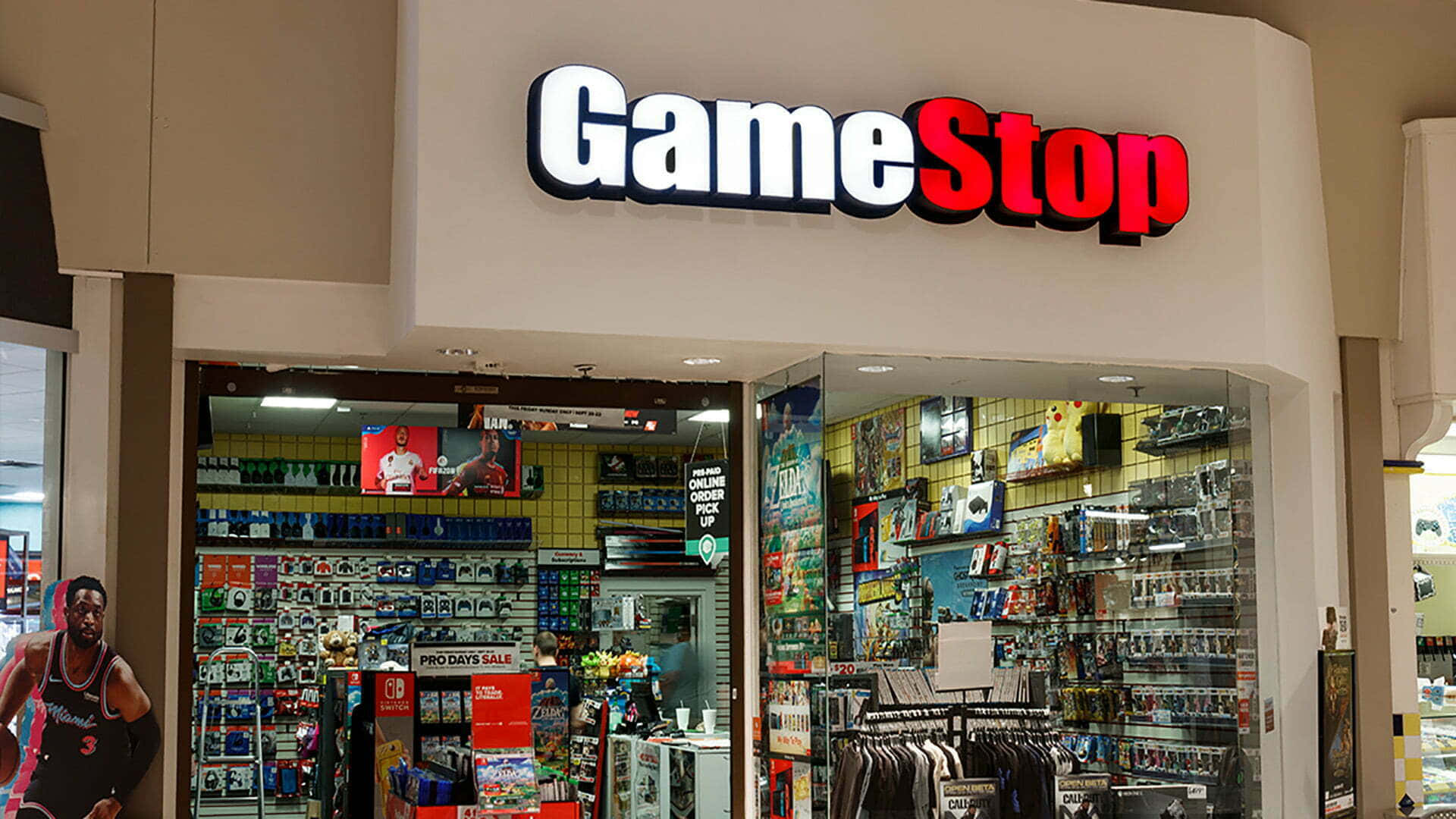
Might even mean 12% of business transactions/goods sold. The profit margins, customer retention, market stability, minimal losses etc might be in other goods favour.
Given how many codes/games/etc a store might order that do not sell (losses to account for), games are much less ‘shelf stable’ compared to a plushie of a pokemon first shown on TV 25 years ago. Digital codes and registering also make any return/exchange obligations a bigger loss.
I think there’s several reasons a company might see games as a high-risk good when compared to collectibles.
I just wish they hadn’t destroyed ThinkGeek…