Wydm? Rockchip copied their code, changed the license and didnt attribute FFmpeg. FFmpeg is a small team of enthusiasts who are responsible for plenty of important innovation and remain largely unpaid even with such substantial widespread use of their code in like SOOOO MANY big software projects. It isn’t their fault that people aren’t following the simple rules of the license to use their code.
In this case, sure, idk. I’ve had a project shut down because ffmpeg threatened law suits unless we open sourced our own custom libraries that work along side ffmpeg. And it’s not just the source code, they want full build environments. Our lawyers wouldn’t touch it, so we just shut it all down. Now I use gstreamer and avoid ffmpeg like the plague.
@CannonFodder@Neptr You were bundling LGPL source into your project. Their request was right, you were violating their license; if you had just used upstream FFmpeg by requiring systems to install it from the package i.e .deb dependency or downloading it directly from their releases and having their binary fully separate, you wouldn’t have had any pushback.
It was an embedded system. The user wouldn’t be able to download and install stuff, they just turn the thing on. The ffmpeg libraries were provided as is as separate files in the system.
If that’s their policy, ok. But it means we can’t use it in embedded systems.
@CannonFodder Policy? It’s the legal license you agreed to when you copied their code. It’s not like they rug pulled you; it’s open, and you should have read it before you even started. If you are commercial, look into FOSSA; you need an SCA for license compliance. Your way around this for LGPL was to make a fork and then compile the fork and use those compiled libraries if you needed airgapped. The moment anything touches that code, like if you static link all code that is touching it now needs to now be public too. If you dynamically link as long as the full code for that file is open you’re covered.
I’m actually baffled you didn’t even bother reading their license for a commercial product and chalked it up to they have some policy.


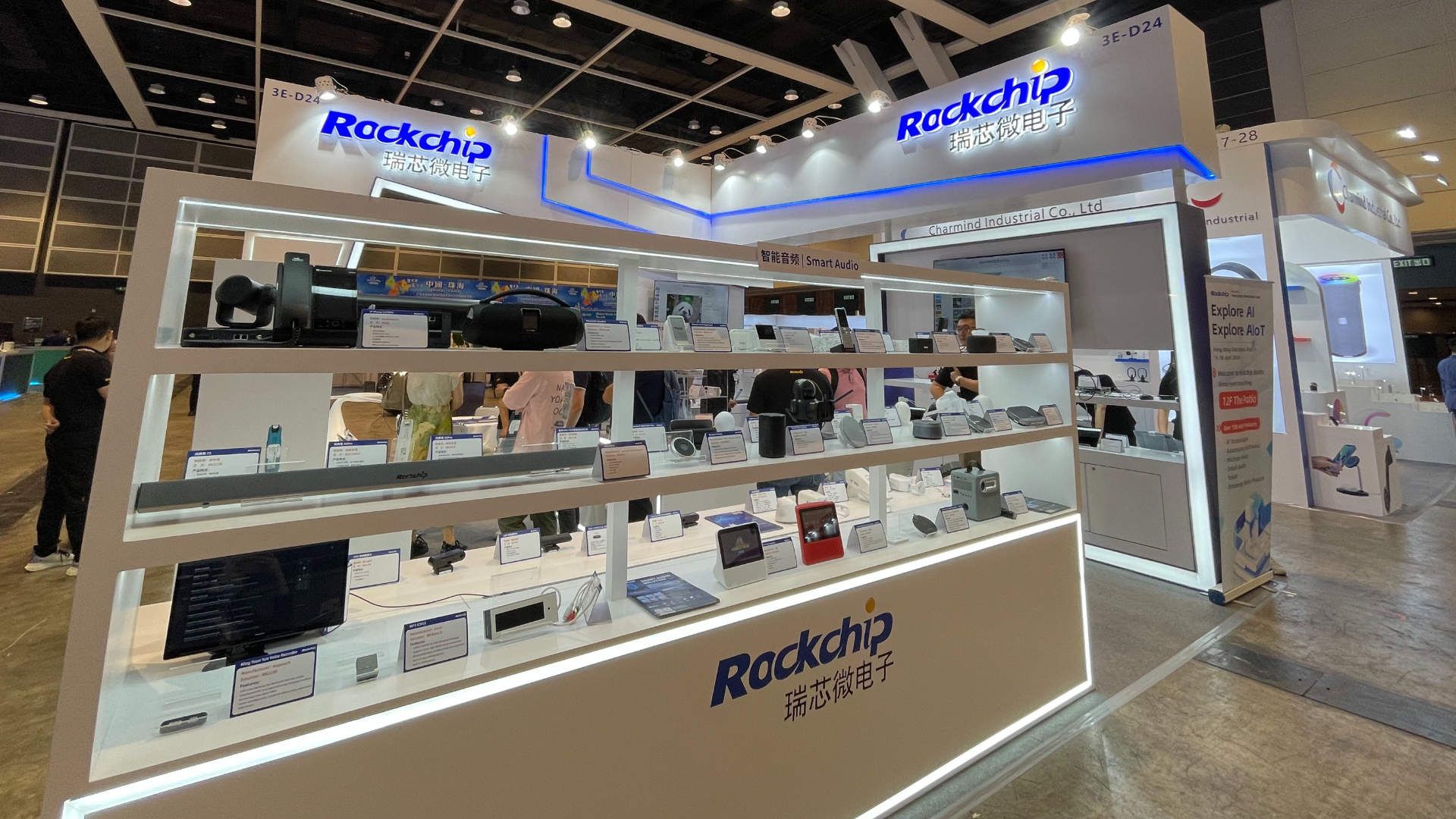
Wydm? Rockchip copied their code, changed the license and didnt attribute FFmpeg. FFmpeg is a small team of enthusiasts who are responsible for plenty of important innovation and remain largely unpaid even with such substantial widespread use of their code in like SOOOO MANY big software projects. It isn’t their fault that people aren’t following the simple rules of the license to use their code.
In this case, sure, idk. I’ve had a project shut down because ffmpeg threatened law suits unless we open sourced our own custom libraries that work along side ffmpeg. And it’s not just the source code, they want full build environments. Our lawyers wouldn’t touch it, so we just shut it all down. Now I use gstreamer and avoid ffmpeg like the plague.
@CannonFodder @Neptr You were bundling LGPL source into your project. Their request was right, you were violating their license; if you had just used upstream FFmpeg by requiring systems to install it from the package i.e .deb dependency or downloading it directly from their releases and having their binary fully separate, you wouldn’t have had any pushback.
It was an embedded system. The user wouldn’t be able to download and install stuff, they just turn the thing on. The ffmpeg libraries were provided as is as separate files in the system.
If that’s their policy, ok. But it means we can’t use it in embedded systems.
@CannonFodder Policy? It’s the legal license you agreed to when you copied their code. It’s not like they rug pulled you; it’s open, and you should have read it before you even started. If you are commercial, look into FOSSA; you need an SCA for license compliance. Your way around this for LGPL was to make a fork and then compile the fork and use those compiled libraries if you needed airgapped. The moment anything touches that code, like if you static link all code that is touching it now needs to now be public too. If you dynamically link as long as the full code for that file is open you’re covered.
I’m actually baffled you didn’t even bother reading their license for a commercial product and chalked it up to they have some policy.