

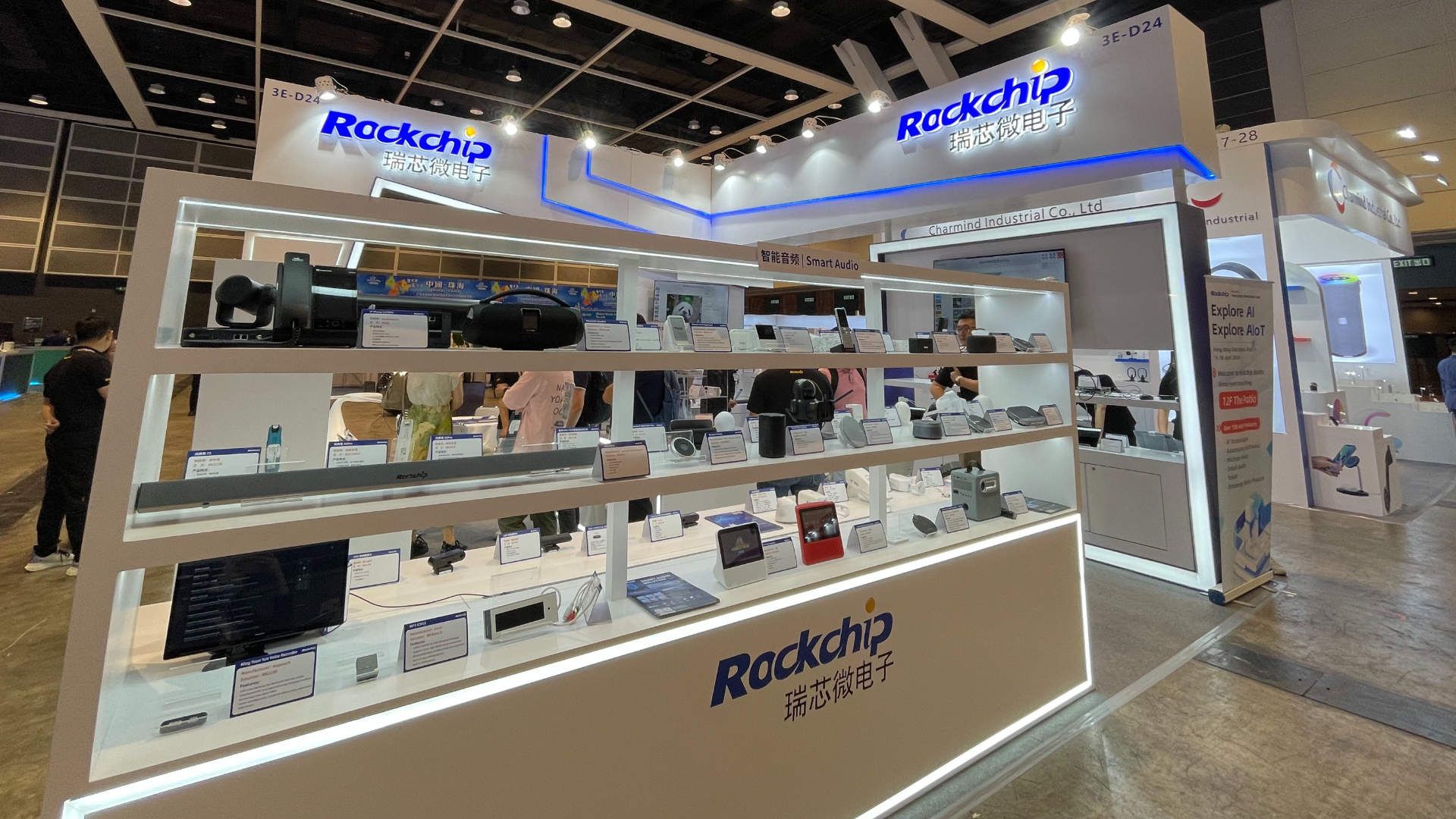
The semiconductor manufacturer is Rockchip, who makes a ton of SoC’s for single board computers. Rockchip has apparently copied ffmpeg’s code without attribution and changed the license to a permissive one from LGPL
Sounds like it will be fixed soon
https://github.com/HermanChen/mpp/commit/fff87da91706d92913ba0254cee8c27eb093ae16
https://github.com/HermanChen/mpp/issues/73

Only after they were forced to. They’re criminal trash.
I bought a Rockchip SBC (Orange Pi 5+), and when it worked it was awesome…but man, the software support (mainly kernel space) is just not there. Exercise in frustration to get everything working at the same time.
Currently running armbian. I don’t think HW acceleration is working, and I don’t think HDMI out is even working, but for my use case it’s a stable config…for now.
If I had published a popular library under LGPL, and then found out that a chip company stole my code by ignoring/removing the license (change to less restrictive in attribution) I would perhaps go as far as subtly block my code from ever properly functioning on the company’s chips, until the license is respected.
People might have forgot what happened in linux kernel with the “nvidia shim module”. Those were actually banned, non-gpl compatible kernel module cannot use gpl-only symbols from the kernel. What happened here is even worse, straight up violating the license from the authors.
GPL license should have a version that could cheaply be defended by the victim of the license violation, if a verbatim violating copy is found. Some €€/month bill could pileup while a violating copy is proven to be distributed.
edit: minor fixes.
Ffmpeg are kinda assholes and squelch innovation tbh.
How would preventing companies from making their changes private squelch innovation? If people stop enforcing open source licenses, then companies would never contribute to the very same project they use. Ffmpeg is making innovation easier by forcing rockchip to publish their code.
If a company has to release their whole product as open source, they likely can’t make back their investment on development.
This particular case may be cut and dry, but I’ve had ffmpeg come after my company just for having an embedded Linux solution that uses off-the-shelf ffmpeg libraries. They claimed we had to release all of our custom libraries and app source and environment that were in the same product even though they didn’t have a line of ffmpeg code in them. As a small company, we couldn’t afford the litigation, so we just dropped the project.Ah, so it’s personal, got it.
Wydm? Rockchip copied their code, changed the license and didnt attribute FFmpeg. FFmpeg is a small team of enthusiasts who are responsible for plenty of important innovation and remain largely unpaid even with such substantial widespread use of their code in like SOOOO MANY big software projects. It isn’t their fault that people aren’t following the simple rules of the license to use their code.
In this case, sure, idk. I’ve had a project shut down because ffmpeg threatened law suits unless we open sourced our own custom libraries that work along side ffmpeg. And it’s not just the source code, they want full build environments. Our lawyers wouldn’t touch it, so we just shut it all down. Now I use gstreamer and avoid ffmpeg like the plague.
@CannonFodder @Neptr You were bundling LGPL source into your project. Their request was right, you were violating their license; if you had just used upstream FFmpeg by requiring systems to install it from the package i.e .deb dependency or downloading it directly from their releases and having their binary fully separate, you wouldn’t have had any pushback.
It was an embedded system. The user wouldn’t be able to download and install stuff, they just turn the thing on. The ffmpeg libraries were provided as is as separate files in the system.
If that’s their policy, ok. But it means we can’t use it in embedded systems.@CannonFodder Policy? It’s the legal license you agreed to when you copied their code. It’s not like they rug pulled you; it’s open, and you should have read it before you even started. If you are commercial, look into FOSSA; you need an SCA for license compliance. Your way around this for LGPL was to make a fork and then compile the fork and use those compiled libraries if you needed airgapped. The moment anything touches that code, like if you static link all code that is touching it now needs to now be public too. If you dynamically link as long as the full code for that file is open you’re covered.
I’m actually baffled you didn’t even bother reading their license for a commercial product and chalked it up to they have some policy.
Dude, all Rockchip had to do to avoid this was a bit of license-related bookkeeping. They’re a corporation, so they’re used to dealing in bookkeeping and contracts. Someone at their end whose job it is to track this stuff either screwed up or let this through on purpose, assuming they wouldn’t be caught (more likely the latter, because China).
I would at least Google something before you state an opinion.
I have personal experience. I don’t need to Google it, thanks.


