“Software, it mattered in the past. Software today makes up less than 12% of the business, and collectables makes up over half the business. So, it’s totally, totally irrelevant.”
12% of your business is no way anywhere near “irrelevant.”
Might even mean 12% of business transactions/goods sold. The profit margins, customer retention, market stability, minimal losses etc might be in other goods favour.
Given how many codes/games/etc a store might order that do not sell (losses to account for), games are much less ‘shelf stable’ compared to a plushie of a pokemon first shown on TV 25 years ago. Digital codes and registering also make any return/exchange obligations a bigger loss.
I think there’s several reasons a company might see games as a high-risk good when compared to collectibles.
They’re not going to stop selling games, it’s just gonna be code cards now. They’ll still work out deals with the publishers for exclusive sales, and of course they’re still going to be selling consoles and handhelds.
It’s going to be irrelevant, why bothering going in a physical store and get bombarded with upsells to get a GS+ subscription for getting just a download code that can be downloaded from your couch?
Download codes are the reason the PC section in all game stores is missing or extremely tiny


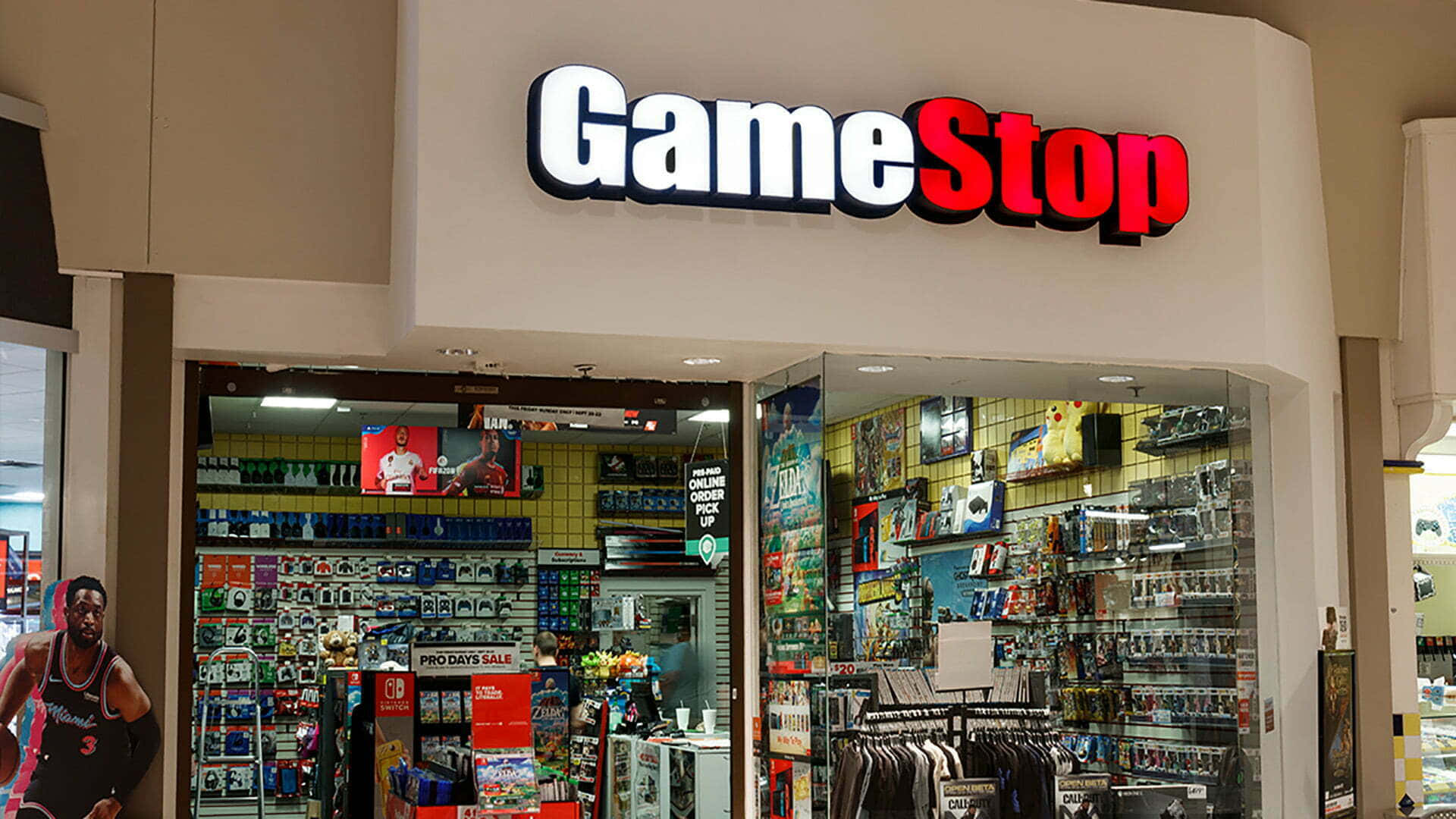
12% of your business is no way anywhere near “irrelevant.”
It depends on the growth, it it’s 12 and falling it’s irrelevant.
The 12% is the reason people come and buy the other 88%
Nintendo sells more in merch than in software, they should stop too
It depends on what that 12% is.
Is it revenue, or is it profit? And does that Include both new and used games?
New games have a very small profit margin compared to used games and merch.
Fair but it seems like if you’re trying to minimize the importance of something you would choose the metric that shows how minimally important it is.
If it’s 12% of revenue but 1% of profit wouldn’t you say it’s “1%” instead of “12%”?
Might even mean 12% of business transactions/goods sold. The profit margins, customer retention, market stability, minimal losses etc might be in other goods favour.
Given how many codes/games/etc a store might order that do not sell (losses to account for), games are much less ‘shelf stable’ compared to a plushie of a pokemon first shown on TV 25 years ago. Digital codes and registering also make any return/exchange obligations a bigger loss.
I think there’s several reasons a company might see games as a high-risk good when compared to collectibles.
I just wish they hadn’t destroyed ThinkGeek…
They’re not going to stop selling games, it’s just gonna be code cards now. They’ll still work out deals with the publishers for exclusive sales, and of course they’re still going to be selling consoles and handhelds.
It’s going to be irrelevant, why bothering going in a physical store and get bombarded with upsells to get a GS+ subscription for getting just a download code that can be downloaded from your couch?
Download codes are the reason the PC section in all game stores is missing or extremely tiny
Because not everyone has or wants credit cards. Children can’t get credit cards. Code cards are also useful for gifts.
I think you are right that even less people will buy them than physical games, but I don’t think they will be irrelevant.